
Three assets · three distinct roles
An economy designed around choices
PACE, PRIME and SOL connect to one another without becoming interchangeable versions of the same asset. Each has its own supply model, access route and purpose.
PACE is the listed game token. PRIME is a closed-loop premium resource. SOL provides the market pair and settlement layer that connects the game economy to player ownership.
Listed game token
Earned, used and traded
PACE is issued through eligible movement and fixed game rewards. It has an uncapped total supply, will be officially listed and will carry a live market price against SOL.
Premium resource
Selected feature upgrades
PRIME enters through Store packs and selected rewards. It is used only to unlock or upgrade selected game features and is not intended to be listed or freely traded at this stage.
Settlement asset
The bridge into the economy
SOL can be exchanged for listed PACE, used to purchase PRIME packs and used throughout the Player Marketplace.
Exchange architecture
Market token and premium resource remain separate
PACE has a market relationship with SOL. PRIME does not have a PACE pair and is not a listed token for now: SOL accesses it only through official PRIME packs.
PACE does not have a guaranteed or fixed SOL value. Once listed, its official market price is the live price formed by market activity.
PACE monetary profile
Uncapped supply. Controlled issuance.
PACE is an infinite-supply utility token: there is no maximum total supply. That does not mean players can create it without limits.
PACE can continue to support the game as the player base and progression systems expand.
Energy, movement range, Shoe performance and the Daily Cap constrain how much can be produced.
Selected systems such as the Daily Locker can distribute predefined PACE amounts.
The listed market establishes the live price. PULSE does not promise a fixed conversion rate.
Utility and token sinks
PACE returns to the game
PACE used for gameplay is burned: it is removed from circulation instead of being paid to another player. Forge follows the single project-share rule explained below.
Eligible movement produces new PACE.
Keep it, use it or exchange it through the PACE / SOL market.
Choose the progression system that matters most.
Gameplay spending removes that PACE from supply.
Two markets · two different flows
Store revenue and player fees remain distinct
Purchases made directly through the official PULSE Store support the project. The Player Market applies a 10% fee to each sale, split into two equal parts.
All other PACE and PRIME spent on levels, sockets, maintenance, the Lab and game utilities are burned. Forge is the only exception: 5% supports the project and 95% is burned.
Free-to-Play balance
The Sandal can hold up to 400 PACE
A player without a regular Shoe may accumulate no more than 400 PACE across runs and Locker rewards. This is not a daily cap: it is the maximum wallet balance while the account remains on the Free-to-Play Sandal.
That amount matches the progression cost required to free the Sandal path. Once the player owns a regular Shoe, this Free-to-Play balance limit no longer applies.
Closed-loop premium utility
PRIME upgrades selected features
PRIME does not improve the movement formula directly. It is acquired through official packs or selected rewards, then used only to unlock or upgrade selected game features. PRIME spent in the game is burned. It is not listed for now.
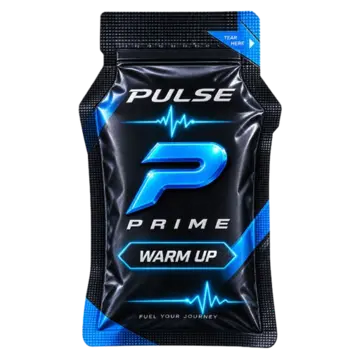 Warm Up
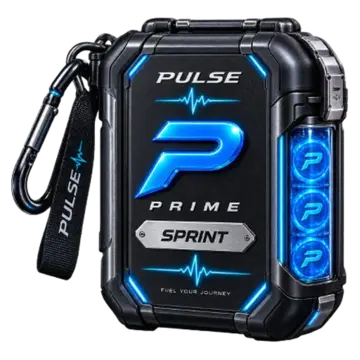 Sprint
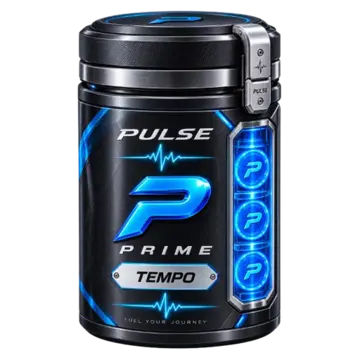 Tempo
Tempo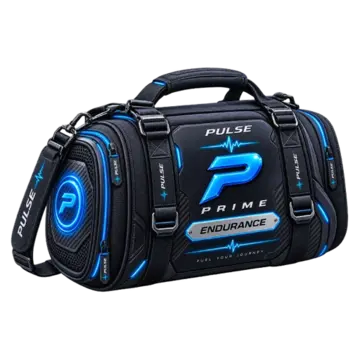 Endurance
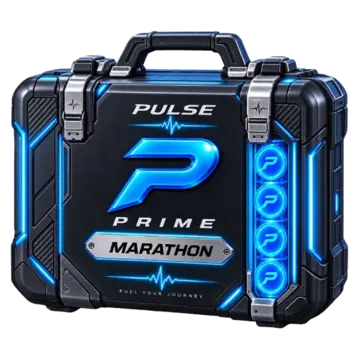 Marathon
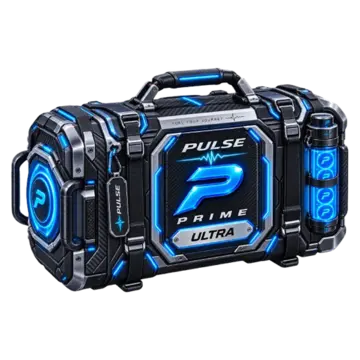 Ultra
UltraPack contents and live prices are displayed in the PULSE Store at the time of purchase.
Token and resource profile
The economy at a glance
| Asset | Supply model | How it enters | Market status | Main sinks or uses |
|---|---|---|---|---|
| PACE | Uncapped | Cadence runs · fixed rewards · market purchase | Listed · tradable against SOL | Progression · maintenance · creation · utility burn |
| PRIME | Controlled issuance | Official packs · selected rewards | Not listed for now | Selected feature upgrades · utility burn |
| SOL | External | Player wallet · asset sales | Settlement asset | PULSE Store · PACE trades · Player Market |
Designed for continuity
Movement creates supply.
Utility creates demand.
Its supply is uncapped, but production remains constrained by the rules of each eligible run.
The PACE / SOL market determines its live value after listing.
PACE and PRIME spent in game systems are burned, except for the 5% project share included in a Forge price.
It unlocks or upgrades selected features and is neither listed nor exchangeable for PACE for now.